The holidays are a time of warmth and celebration. Time spent with family and friends reminds us to cherish all the people who bring joy to our lives, though sometimes, in those moments, we may see subtle changes in the people we love.
Maybe you hadn’t been to your parents’ home in a few months, and noticed Mom wore the same outfit for a couple of days, or that Dad seemed a little confused about dates and times. Perhaps you spotted the expired food in the fridge at your sister’s house. Or maybe a loved one commented on the increasing frequency with which you seem to misplace your keys.
Making decisions about your own care—or that of someone you love—requires both courage and clarity. It’s not easy. You’ve spent your entire adult life making your own choices; you’ve earned your autonomy, and you have every right to keep it, even if it means needing a little additional support on occasion.
Since 1961, Horizon House has helped many independent thinkers and their families find the assisted living and memory support they need without giving up the spark that makes them who they are. To us, assisted living isn’t about relinquishing independence; it’s about determining what kind of support will allow you—or your loved one—to live the vibrant, engaged life you want.
In fact, many people actually experience greater freedom after moving to assisted living, such as being free from worry about falling and the burden of home maintenance. The convenience of assisted living allows you to focus your energy on the pursuits that matter most to you: intellectual engagement, creative expression, cultural experiences, and meaningful relationships.
Think safety first.
Everyone should feel safe and secure in their home. This is essential. When changing circumstances compromise your well-being, it’s time to consider taking action. Missed doses of medication can compromise your health and be indicative of other memory-related issues such as keeping track of finances, remembering appointments, or maintaining household routines. These are red flags that it might be time for more structured support.
Falls—and even close calls—are another source of concern. Each fall increases your risk of serious injury, but perhaps more significantly, the fear of falling can cause you to limit your activities and social engagements.
Proper nutrition is critical as we age. You might find yourself eating the same takeout repeatedly—not because you particularly enjoy it, but because preparing varied, nutritious meals has become too difficult. Maybe grocery shopping feels overwhelming, or you’ve simply lost interest in cooking for one. This can lead to unintentional weight changes and declining nutrition, which can have negative consequences for your overall well-being.
Daily tasks or daily struggles?
Bathing, dressing, grooming, using the restroom; these are things you’ve done without much thought for most of your life. However, when these basic activities become challenging, it’s time to pay attention. According to the Centers for Disease Control and Prevention, approximately 9.4% people aged 65 and older, living independently, experienced difficulty with self-care in 2024, with needs increasing significantly with age; 21.7% of adults aged 85 and older require assistance with daily activities.
Research also indicates the importance of socialization to both physical and mental health among seniors. Concerns about venturing outside your home for fear of falling or being exposed to injury or crime can lead you to limit your activities and social engagements, creating a cycle of decreased mobility and increased isolation.
Cognitive concerns.
We all have moments of forgetfulness, but there’s a difference between occasionally struggling to remember a name and regularly neglecting to take vital medications. Have you noticed yourself or a loved one asking the same question twice in one day, not remembering conversations that took place yesterday, or laboring to recall appointments? These cognitive changes can affect both safety and health outcomes.
Now what?
If you spot some of these signs—whether in yourself or someone you care about—don’t panic. But don’t wait for a crisis either. Smart planning is about making thoughtful choices while your options are open.

This moment calls for understanding. Finding the right balance of independence and support matters—whether for yourself or someone you love. Since 1961, Horizon House has helped many very independent-thinking seniors embrace the assisted living and memory support they need without compromising who they want to be.
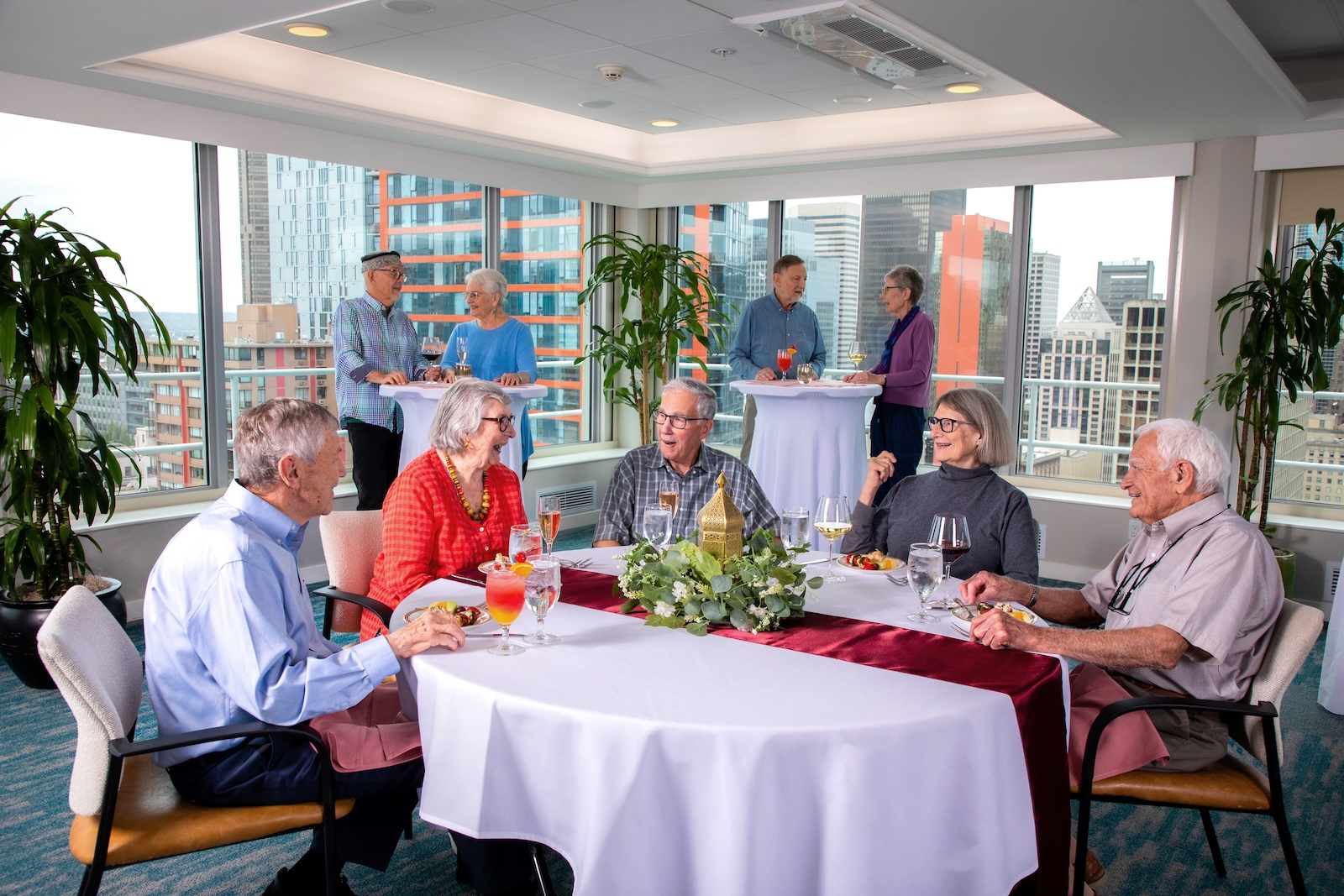
That’s why these advanced levels of care are fully integrated within our vibrant, diverse community. Here, residents still attend arts events, participate in discussions, and maintain meaningful connections, because being an independent thinker doesn’t end when the need for care begins.
Consider these additional ways advanced care is different at Horizon House:
- Couples stay connected even if their care needs differ
- Friends and familiar places provide comforting continuity
- More than 60 resident-run committees include a sweeping variety of interests
- Our First Hill location puts Virginia Mason Medical Center and many of Seattle’s cultural attractions at your doorstep
- Our nurse-managed approach balances expertise with genuine care
- We are a progressive, inclusive community with a thoughtful transition process
Making the move to assisted living doesn’t mean your independence is over. It means you’re evolving in ways you might not have anticipated while receiving the support you need to keep learning, contributing, and growing.
It’s never too early to start planning—for either yourself or a loved one. You can begin by calling 206-382-3138 for a no-pressure conversation with a compassionate, knowledgeable care professional who can answer your questions and help you determine where to go from here.