When Myrtle Edwards and her husband became residents 35 and 36 of Horizon House in 1961, she wasn’t just moving into a new home. She was realizing a vision born from a problem that had haunted her for years.
Her mother had struggled with dementia. As primary caregiver, Myrtle faced a nightmare scenario: The only option for the care her mother needed was a state mental institution hours away—a long, painful drive to visit someone who deserved better.
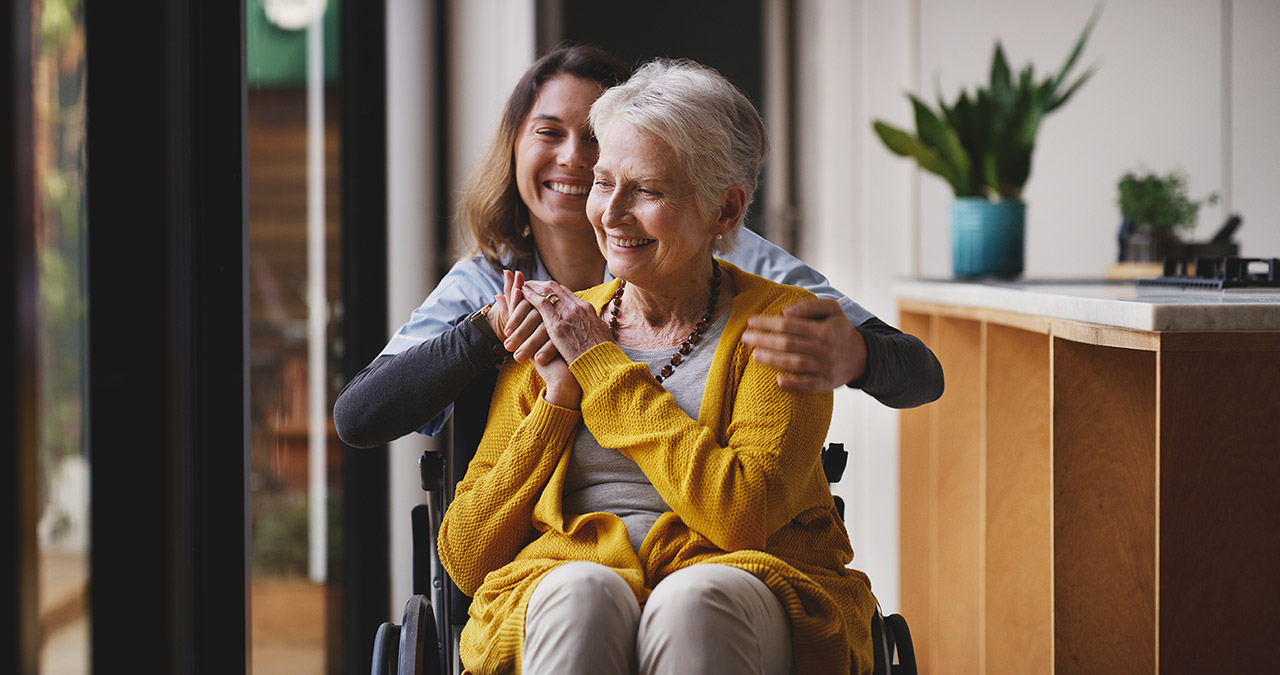
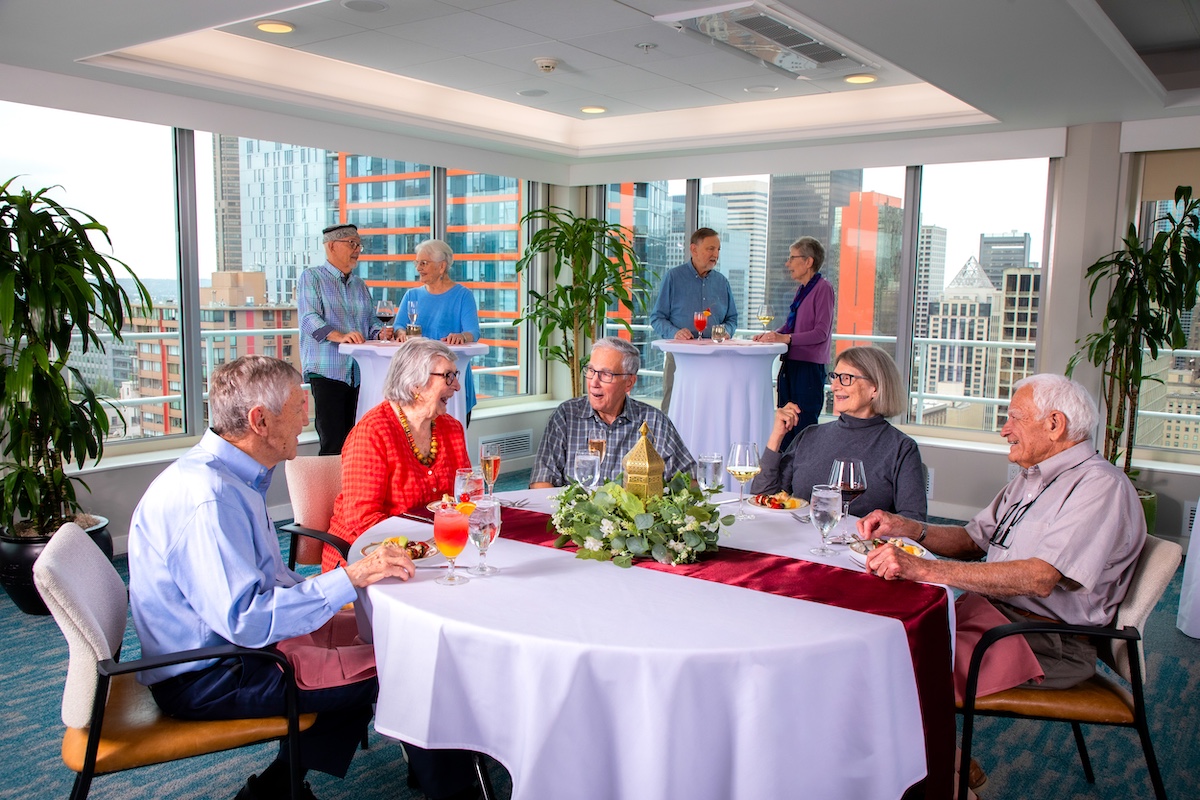
She determined that what happened to her mother wouldn’t happen to her generation and set out to create something different: a community where people remain active, independent, and secure in the knowledge that on-site care is available should they ever need it. A place where they stay connected to the life and culture they value.
Edwards brought unique credentials to this vision. As a Seattle City Councilmember, she had helped transform an industrial “pioneer town” into one of America’s most livable cities, championing the urban green spaces, public art, and cultural institutions that defined modern Seattle. Everything she learned shaping Seattle’s public spaces went into designing this pioneering Life Plan Community on First Hill.
Transforming Seattle
Myrtle and her husband had lived in California before World War II brought them to Seattle, where he worked as a civil engineer on West Coast military installations. When they arrived, the city that greeted them bore little resemblance to the vibrant cultural hub it is today.
“On paper, Seattle didn’t look like a backwater,” recalls Barbara Spaeth, a journalist who covered City Hall during Myrtle’s council years and now lives at Horizon House. “But believe me, it was a backwater. Especially to someone coming from California.”
Her love of culture and the arts led to a career as a voice teacher before raising her family. After her youngest child graduated from college, she earned a second bachelor’s degree—this time in political science from the University of Washington. She was past president of both the Seattle and Washington state League of Women Voters when she was appointed to City Council in 1955, then elected several months after her appointment—at age 61—as the top vote-getter in what was then a citywide election.
As Park and Public Grounds Committee chair, Myrtle became a driving force behind Seattle’s iconic public spaces. She negotiated the purchase of land for Gas Works Park. She championed Freeway Park and played a crucial role in developing the Seattle Center for the 1962 World’s Fair—the Opera House, Exhibition Hall, Playhouse, and Arena. The waterfront park that now bears her name was once a construction dumping ground.
“Myrtle brought parks and beauty,” Spaeth reflects. “She brought culture.”
She organized a two-week European tour to study urban planning to study urban planning for top elected, governmental, and business leaders of Seattle and King County. The trip set the stage for the Forward Thrust ballot initiatives that reshaped the region. At a time when investing in beauty and public space was dismissed as wasteful, she made the case that how people lived mattered as much as where they worked.
In the 1964 election, 122,249 people voted for her—more votes than any councilmember had ever received. That same year, Seattle Beautiful, Inc. named her Citizen of the Year. By March 1969, she had become Council President.
Building a New Model
While transforming Seattle’s civic landscape, Myrtle was simultaneously building something equally revolutionary: a completely new model for retirement living.
She’d seen a working example in California: Pilgrim Place in Claremont, founded in 1915. Originally built for clergy, it offered independent living cottages and bungalows with community support—radical for its time. She adapted that vision for Seattle, making it broader and more inclusive.
She assembled a committee from two local churches, found an architect, and negotiated the below-market sale of the Baldwin Apartments to give the nonprofit community a start. She arranged for a Steinway piano to be donated to Horizon House and organized recitals.
“She pulled it all together,” Spaeth says. “I don’t think any other senior community organizing at that time had a leader that dominant.”
The resident-led model she championed—where neighbors run their own programs rather than having activities planned for them—continues today through more than 60 committees.
The Legacy Lives On
On August 17, 1969, Myrtle was in a car accident and died the following day at age 75.
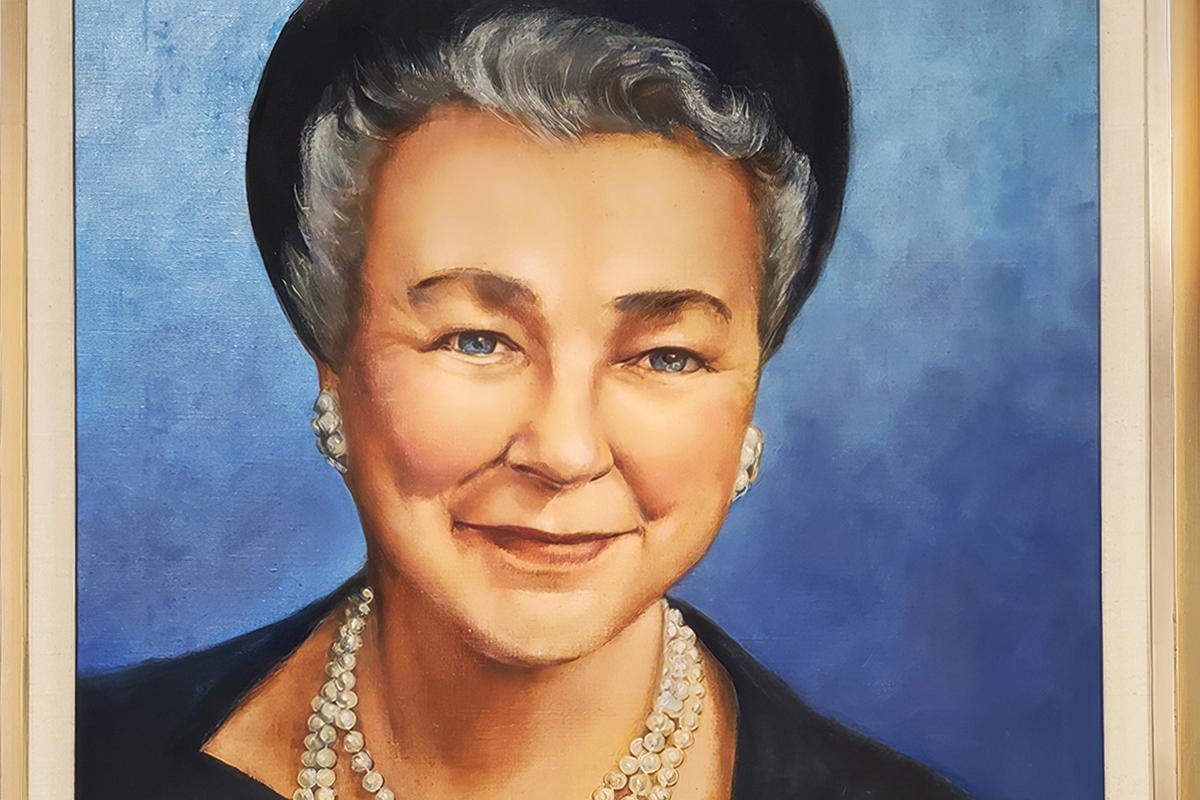
Linda Purdy, her granddaughter and current Director of Inner Wellbeing and Spirituality at Horizon House, has an office next to the Myrtle Edwards Room. “When I started working here, I stuck my head around the corner, looked at her portrait, and said, ‘You had something to do with this, didn’t you?'”
No one knew about the family connection when Linda was hired 11 years ago. Now, preparing to retire, she’s fulfilling a goal: “When I came here, it was one of my goals to at least have her story be known.”
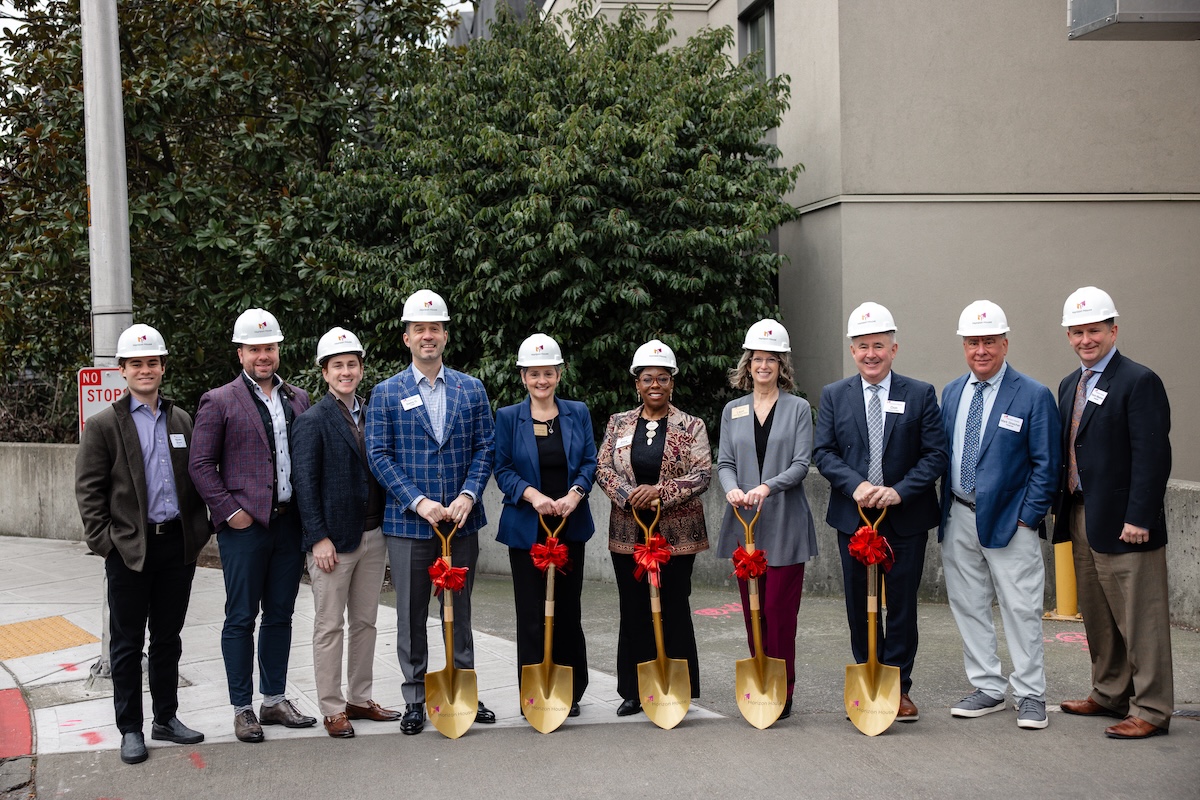
The West Tower expansion opening in 2029 will extend Myrtle’s vision to a new generation. The resident-led culture she championed remains the heart of Horizon House. The commitment to arts and culture—from that Steinway piano to today’s 800-piece art collection—still defines the community.
Spaeth, who now lives in the community Myrtle founded, reflects: “She’d be thrilled to see how many people move in and become part of the community, but also retain their connections outside. Many people here still have careers, and she did too.”
Myrtle Edwards set out to create the “forever home” her mother never had. She ended up giving an entire generation a place where a life of growth, purpose, and meaning can flourish long after a career ends.
Learn more about life at Horizon Houseor discover how our resident-led programscontinue Myrtle Edwards’ vision. Visit HorizonHouse.org or call 206-382-3100.